Owner Operator Jobs: What Trucking Companies Really Want Before They Lease You On (2026)
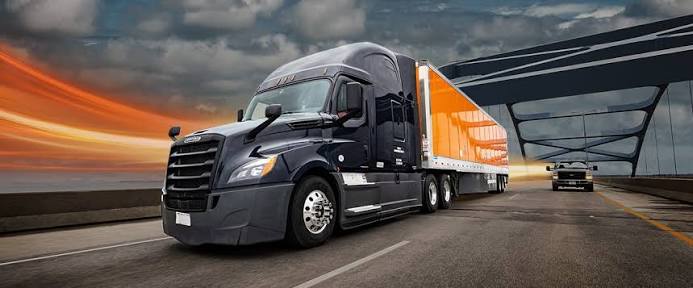
Owner-operator sounds like the easy version of a trucking career: you already own the truck, so surely carriers will line up for you. In reality, a company that leases you on takes your driving record, your equipment and your mistakes onto its own books. That is why the screening is tougher than most first-time applicants expect.
This guide explains what trucking companies actually look for in an owner-operator in 2026, which paperwork and costs to prepare before you apply, and how the newest federal rules on English proficiency and CDLs can affect your chances.
What an owner-operator job actually is
An owner-operator hauls freight with a truck they own or lease. Most listings fall into one of two models:
Leased on to a carrier: you haul loads under the carrier's operating authority, usually under its insurance, and share revenue with it. DAT points out that leased-on drivers do not need their own authority.
Independent: you hold your own authority, find your own freight and buy your own insurance. You get more freedom and much more paperwork.
Most ads titled "owner operator jobs" describe the first model, so that is what this article focuses on.
What trucking companies want from an owner-operator
1. A clean, provable safety record
Once you are leased on, federal rules treat you and your truck as part of the carrier for compliance. Your roadside inspections, violations and logbook habits show up in the carrier's safety data, as explained by Heavy Duty Trucking. A worse CSA score can push a carrier's insurance premiums up for years and, in some cases, cost it coverage, according to Overdrive. That is the real reason carriers screen so hard.
As an example of what a posting can ask for, one carrier listed on Zippia wants a valid Class A CDL, a minimum age of 23, six months of over-the-road experience, no DUI or reckless driving in five years, and no more than two moving violations in three years. Every company sets its own bar, but this is a typical shape.
2. Real over-the-road experience
Most owner-operators begin as company drivers and branch out later, a path described in the Samsara owner-operator guide. If you are new to trucking, expect to spend time driving for a company first. Some carriers accept around six months of experience, while others ask for more.
3. Equipment that passes inspection
Carriers set their own truck specifications. Roehl, for example, accepts tractors that are seven years old or newer, requires all DOT-mandated safety equipment, inspects it at lease start and every quarter after, and caps wheelbase at 265 inches for van, refrigerated and curtainside trailers (Roehl tractor requirements). Always read a carrier's spec sheet before you buy or finance a truck.
4. Paperwork that is in order
DAT lists the core federal and state items for anyone running commercial freight: a CDL, a USDOT number, operating authority and an MC number, the Heavy Vehicle Use Tax, drug testing with the FMCSA Clearinghouse, IRP registration, IFTA fuel tax, and BOC-3 process agents. When you lease on, ask exactly which of these the carrier handles under its own authority and which are your responsibility.
5. Reliability and professionalism
Postings from large fleets keep repeating the same words: safety-conscious, on-time and strong customer service. A carrier wants a business partner who represents its name well at every shipper and receiver.
The money side: what to check before you sign
Realistic earnings: DAT puts typical gross revenue near $200,000 a year, with net closer to $50,000 once costs are paid, and the first year is often lower because of upfront investment.
Insurance: independent owner-operators typically carry primary liability of roughly $700,000 to over $1 million, plus separate cargo cover. Leased-on drivers are usually covered by the carrier's policy, but FreightWaves notes that this generally applies only while you are under dispatch.
Fees and deposits: read the fixed-cost sheet. Prime's 2026 owner-operator document, for instance, lists a performance bond collected at $100 a week until it reaches $1,750, plus a small weekly fuel card charge. A Brown Trucking listing on CareerBuilder mentions an IRP plate cost of about $2,200.
Pay structure: percentage pay shares the freight market's ups and downs with the carrier, while mileage pay can act as a cushion when freight is slow, as Overdrive explains.
The written lease: a lease must be in writing, state clearly how you are paid, and set a payment deadline that cannot exceed 15 days after you submit the required paperwork, according to Benesch.
2026 rule changes that affect your application
English language proficiency. FMCSA has returned to strict enforcement of the English requirement. Drivers who fail it can be placed out of service, and FreightWaves reports that more than 26,000 commercial drivers have already been sidelined. The agency is also moving toward English-only CDL knowledge and skills tests.
Non-domiciled CDLs. A final FMCSA rule that took effect in March 2026 limits new and renewed non-domiciled CDLs to holders of H-2A, H-2B or E-2 status. Existing holders may keep driving until their current license expires, according to Jackson Lewis. Expect carriers to double-check licensing and English ability before they lease anyone on.
How to apply, step by step
Gather your CDL, driving record, truck registration, proof of insurance and any inspection reports.
Shortlist two or three carriers and download each one's owner-operator requirements, truck specs and fixed-cost sheet.
Compare pay models, deposits, fuel card charges, escrow and who pays for what, using a simple cost-per-mile estimate.
Ask for the lease in writing and read the termination terms before you commit.
Apply, then keep your logs, inspections and maintenance records tidy from day one, because they follow the carrier's safety score as well as yours.
Red flags to watch for
No written lease, or a lease that does not clearly state how you are paid.
Large upfront fees or deposits with no clear refund terms.
Vague settlement statements that make it hard to see what was deducted.
Pressure to sign the same day, or to buy equipment and services only from the carrier.
Frequently asked questions
Do I need my own MC authority to get an owner-operator job?
Not if you lease on. You haul loads under the carrier's authority. You only need your own authority, insurance and registrations if you plan to run independently.
Can I become an owner-operator with no experience?
It is possible but difficult. Most owner-operators start as company drivers first, and many carriers ask for proven over-the-road experience and a clean record.
How much do owner-operators earn?
DAT cites roughly $200,000 in gross revenue and about $50,000 net in a typical year, though your result depends on fuel, maintenance, insurance, fees and the freight you haul.
Who pays for insurance?
Leased-on drivers are usually covered by the carrier's liability and cargo policies while dispatched. Independent owner-operators must buy their own.
Bottom line
Carriers are not simply looking for someone with a truck. They want a safe driver with a clean record, equipment that passes inspection, correct paperwork and the reliability to protect their safety score. Do your homework on the lease, the fees and the pay structure, and you will be in a much stronger position when you apply.
This article is for general information and is not legal or financial advice. Requirements and costs vary by carrier and state, so confirm the details with each company before you sign.
Spotted an error or out-of-date detail? Report a correction — we review every report. See our editorial policy.